Bone Marrow Transplant for Stage 4 Blood Cancers | Advanced Oncology Care
Treatment of stage 4 hematopoietic tumors has advanced with high-dose chemotherapy followed by transplantation of autologous hematopoietic stem cells. At the National Medical Research Center of Radiology of the Ministry of Health of Russia, this specialized approach is used to treat complex oncological diseases of the hematopoietic and lymphoid systems, including aggressive leukemias, lymphomas, and other advanced blood cancers requiring intensive therapy and immune system restoration.
Autologous stem cell transplantation works by eliminating malignant cells through high-dose chemotherapy and then restoring healthy blood formation using the patient’s own stem cells. This process supports immune recovery and helps improve long-term disease control. Patients researching comprehensive oncology care often explore both established medical procedures and innovative cancer treatment research to understand the full range of available options.
Alongside advanced hematologic therapies, some individuals also read about emerging immunotherapy developments such as the enteromix cancer vaccine and seek to understand what is enteromix and how modern cancer vaccines may complement traditional oncology approaches. Patients comparing different treatment paths frequently review published data such as enteromix vaccine clinical result summaries and research discussing the enteromix mechanism of action to better understand how innovative therapies are being studied in modern oncology.
For those exploring broader treatment planning, questions about enteromix vaccine availability, overall effectiveness, and how new therapies may integrate with established procedures like bone marrow transplantation are common. Consulting oncology specialists and reviewing verified medical information remain essential steps when evaluating any advanced cancer treatment strategy.

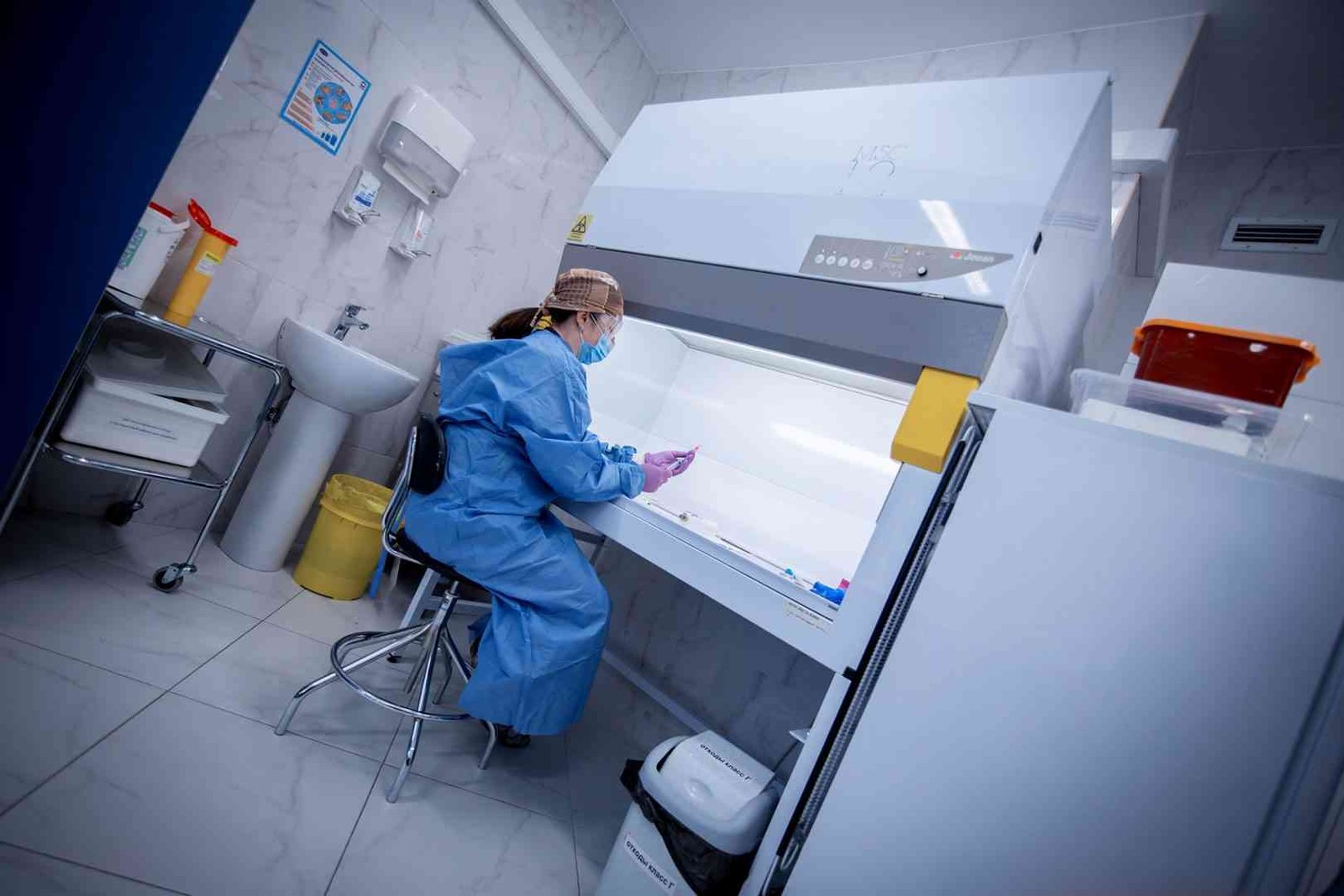
- Treatment of stage 4 cancer of the hematopoietic and lymphoid systems
- Improving hematopoiesis
- Restoration of hematopoietic function
- Hodgkin’s lymphoma (lymphogranulomatosis) and non-Hodgkin’s lymphomas in cases of ineffectiveness of standard therapy or in case of relapse of these diseases;
- Multiple myeloma, where most primary patients (under 65 years of age) require consolidation (consolidation of the effect) after first-line therapy;
- At the A.F. Tsyb Medical Research Center, high-dose chemotherapy with auto-HSCT is performed for HIV-infected patients with Hodgkin’s lymphoma and non-Hodgkin’s lymphomas.